Basic tips on reducing salt and sugar intake
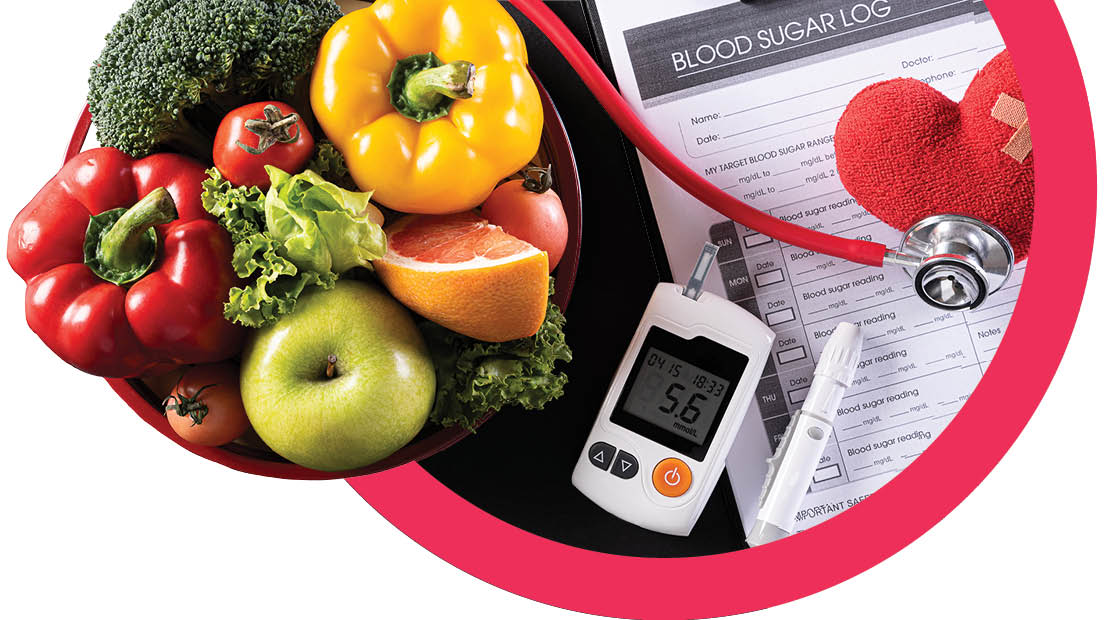
Diabetes and hypertension (high blood pressure) are on the rise among LA Health members and South Africa at large. Research shows that high sugar and salt consumption are linked to obesity (which is linked to diabetes) and hypertension. This is not only the actual raw salt and sugar we add to our food and drinks, but also processed foods and beverages, which are high in salt and sugar. Reducing salt and sugar intake can be challenging, but it is extremely important for maintaining good health. Here are some tips to help you cut back on salt and sugar:
Read food labels
Check the nutrition label on packaged foods to see how much salt and sugar they contain. Choose products with lower amounts of salt and sugar.
Cook at home
Preparing your meals at home allows you to control the amount of salt and sugar in your food. Use herbs and spices to add flavour instead of salt and try using natural sweeteners like honey or apple puree instead of sugar.
Avoid processed foods
Processed foods such as ready-meals, chips, snacks and fast-foods are often high in salt and sugar. Try to eat fresh, whole foods like fruits, vegetables, and lean proteins like chicken and fish instead.
Drink more water
Sugary drinks like fizzy cold drinks and juice are a major source of added sugar in many people's diets. Just one fizzy drink can contain nine teaspoons of sugar! Drinking water instead of sugary drinks is a very good way to help reduce your sugar intake.
Watch you portion sizes
Eating too much of any food, even healthy foods, can lead to weight gain and other health problems. Keep an eye on portion sizes and try to eat slowly to give your body time to feel full.